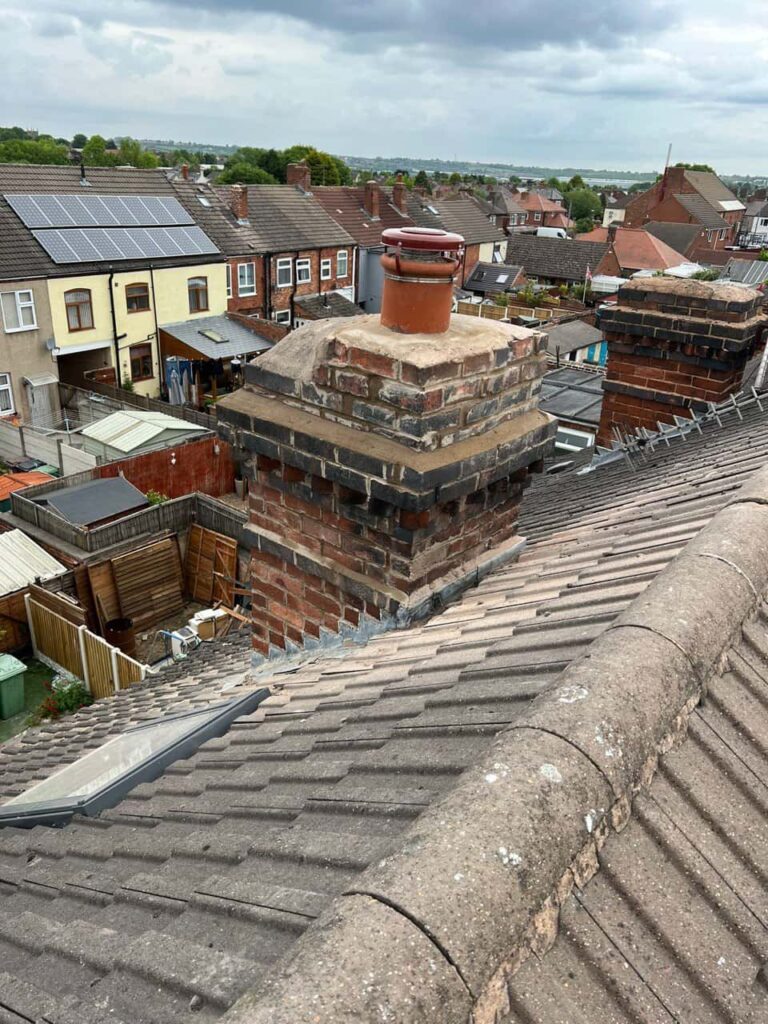
Felt flat roofs provide a practical and durable covering for many homes, garages and extensions. However, constant exposure to rainfall, sunlight, temperature changes and general weathering can gradually affect the roofing material. Although deterioration may begin with small defects, leaving these problems unattended can allow moisture to enter the roof structure and cause more extensive damage.
Recognising the early warning signs is essential for keeping a felt flat roof in good condition. For property owners in Edenbridge, Kent, regular inspections and timely repairs can help prevent minor defects from developing into persistent leaks. Edenbridge Roofing Repairs provides professional roofing services to identify and address problems affecting felt flat roofs.
Common Signs of Felt Flat Roof Deterioration
Felt roofing can show several visible signs of wear as it ages. Checking the surface periodically, particularly after periods of severe weather, can help identify issues before they become more serious.
Cracks and Splits in the Felt
Cracks and splits are among the most noticeable signs that a felt flat roof is deteriorating. They can develop as the roofing material becomes less flexible through prolonged exposure to sunlight and changing temperatures.
Even a relatively small split can create an entry point for rainwater. If moisture reaches the layers beneath the felt, it may affect the roof deck and eventually appear as damp patches inside the property.
Any visible cracking should be assessed promptly to determine whether localised repairs or more extensive work is required.
Blistering and Bubbling
Blisters appear as raised bubbles or swollen areas on the felt surface. They can develop when air or moisture becomes trapped between roofing layers, sometimes because of poor adhesion or changes in the condition of the underlying materials.
Although a small blister may not immediately cause a leak, it can become vulnerable to damage if exposed to foot traffic or continued weathering. If the raised area splits, water may penetrate the roofing system.
Blisters should not simply be punctured or cut open without understanding their cause. A professional inspection can establish the appropriate repair method.
Loose or Lifting Edges
The edges and joints of a felt flat roof are particularly important because they help prevent water from entering beneath the covering. Over time, the bonding material can weaken, allowing sections of felt to lift or become loose.
Pay particular attention to:
- Edges where the felt meets a wall or parapet.
- Seams between adjoining sections of roofing felt.
- Areas around roof outlets and drainage features.
- Junctions surrounding rooflights and other roof openings.
Lifting edges can allow wind-driven rain to get beneath the surface. Prompt attention helps prevent the affected sections from becoming more extensively detached.
Standing Water on the Roof
Flat roofs should have suitable falls and drainage arrangements to allow rainwater to run towards outlets. If water remains in the same areas long after rainfall, it may indicate blocked drainage, inadequate falls or changes in the roof structure.
Persistent standing water can place additional strain on the roofing materials and increase the likelihood of deterioration around seams and joints.
Leaves, dirt and other debris can also obstruct outlets, preventing water from draining effectively. Keeping drainage points clear is an important part of routine roof maintenance.
Cracked or Deteriorating Surface Coating
Some felt flat roofs have a protective mineral finish or surface coating designed to help shield the underlying material from weather exposure. As the roof ages, this protective layer may become worn, uneven or damaged.
Look for areas where the surface appears unusually bare, cracked or heavily weathered. Significant loss of the protective finish can leave the felt more exposed to sunlight and moisture, potentially accelerating its deterioration.
An assessment can determine whether the surface needs attention or whether the underlying felt has also been compromised.
Indoor Warning Signs of a Felt Roof Leak
Not all roofing problems are immediately visible from outside. Sometimes, the first indication of deterioration appears inside the property.
Common warning signs include:
- Brown or yellow stains appearing on ceilings.
- Damp patches near the top of walls.
- Peeling paint or bubbling plaster.
- Musty smells in rooms beneath the flat roof.
- Water marks that become more noticeable after rainfall.
These symptoms may indicate that water has already passed through the roofing system. However, the visible damp area is not always directly beneath the original defect, as moisture can travel along roof components before becoming noticeable indoors.
A professional inspection can help trace the source of the problem rather than simply treating the visible damage.
Why Early Felt Roof Repairs Matter
Small defects can gradually develop into more significant roofing problems when exposed to repeated rainfall and changing weather conditions. A minor split, loose seam or damaged section may eventually allow enough moisture through to affect the roof deck and internal surfaces.
Early repairs help address these weaknesses before deterioration spreads. They can also help establish whether the existing felt covering remains suitable for continued use or whether a more comprehensive repair or replacement should be considered.
The correct solution depends on the roof’s age, construction, overall condition and extent of damage.
Professional Felt Flat Roof Inspections in Edenbridge
Inspecting a felt flat roof involves more than looking for obvious cracks. Roofers need to assess the condition of the covering, the integrity of joints, the drainage arrangements and the areas where the roof meets adjoining structures.
Edenbridge Roofing Repairs provides professional roofing services for property owners in Edenbridge, Kent. Whether you have noticed blistering, standing water, loose felt or signs of a leak inside your property, a professional assessment can help identify the underlying issue and establish suitable repair options.
Avoid walking across damaged or weakened roofing areas, as this can cause further deterioration and may be unsafe.
Conclusion
Early signs of deterioration on a felt flat roof include cracks, blisters, lifting edges, standing water and damage to the protective surface. Recognising these problems promptly can help prevent water ingress and reduce the risk of more extensive damage to the roof structure.
If your felt flat roof is showing signs of wear or you have noticed damp patches inside your property, contact Edenbridge Roofing Repairs to arrange a professional assessment. Timely attention can help keep your roof in suitable condition and protect the property beneath it.
Call us on: 01732 443 294
Click here to find out more about Edenbridge Roofing Repairs
Click here to complete our contact form and see how we can help with your roofing needs.