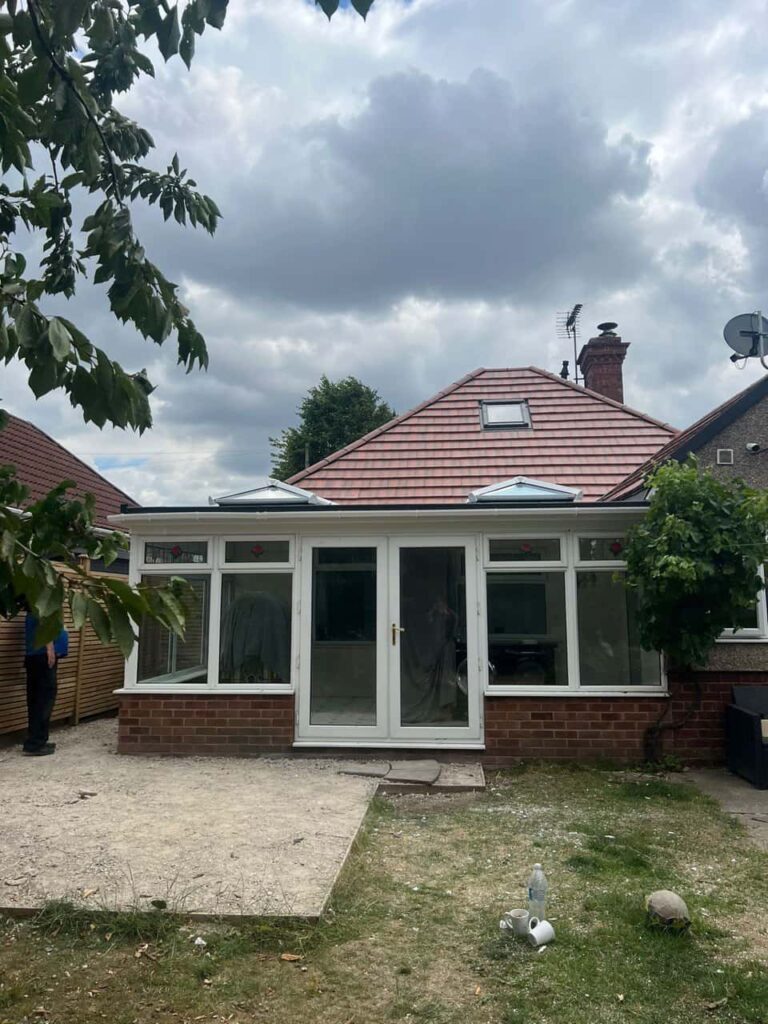
Felt roofing is commonly used on flat and low-pitched roofs, including garage roofs, extensions, sheds and other property structures. When installed and maintained correctly, it provides a protective covering that helps prevent water from entering the building. However, exposure to rain, changing temperatures and general weathering can gradually affect the condition of the felt.
For property owners in Edenbridge, Kent, recognising the early signs of felt roof damage can help prevent minor defects from developing into more disruptive leaks. Understanding common roofing problems also makes it easier to know when professional felt roof repairs may be necessary.
Common Problems That Affect Felt Roofing
Cracks and Splits in the Roofing Felt
Over time, roofing felt can become less flexible due to ageing and repeated temperature changes. As the material expands and contracts, cracks or splits may develop, particularly in areas exposed to regular movement or stress.
Even a small split can allow rainwater to reach the layers beneath the roof covering. If water enters repeatedly, it may damage the roof deck, insulation or internal surfaces.
A professional inspection can establish whether a localised repair is suitable or whether a larger section of the felt needs attention. Prompt repairs can help prevent water ingress from causing further deterioration.
Blistering and Bubbling
Blisters appear as raised areas beneath the felt surface. They can develop when air or moisture becomes trapped between layers during installation or as the roof covering ages.
Not every blister means the roof is leaking, but damaged or expanding blisters can weaken the surface and become vulnerable to splitting. Cutting into raised areas without understanding the cause may make the problem worse.
A roofing specialist can assess the affected section and determine the appropriate repair method based on the condition of the felt and the layers beneath it.
Loose or Lifting Edges
Felt roofing can lift around roof edges, joints and upstands if the bond weakens or the material becomes damaged. These areas are particularly important because they help prevent water from entering at vulnerable points.
Wind can worsen loose sections, while rain may work its way beneath the lifted felt. If left untreated, the damage can spread beyond the original area.
During an inspection, attention should be given to the edges, seams and junctions where the roof covering meets walls or other structures. Secure, well-maintained details are essential for keeping the roof weather-resistant.
Leaks Around Roof Joints and Flashings
Leaks do not always originate from a visible crack in the main felt covering. Water may enter through deteriorated seams, poorly sealed joints or damaged flashing around roof junctions.
These areas can be difficult to assess from inside the building because water may travel beneath the covering before appearing as a ceiling stain or damp patch.
If a leak continues despite a previous repair, the original entry point may not have been identified correctly. A thorough assessment helps locate the source and establish whether the felt, flashing or another roof component needs attention.
Standing Water on Flat Roofs
Flat roofs should have suitable drainage to prevent water from remaining on the surface for extended periods. Blocked outlets, inadequate falls or changes in the roof structure can cause water to collect in low spots.
Persistent standing water places additional stress on the roofing system and may expose existing weaknesses. It can also make defects harder to identify until water begins entering the building.
Keeping outlets clear and checking for recurring pooling can help reveal drainage concerns. Where standing water persists, the underlying cause should be investigated rather than relying solely on a patch repair.
Worn or Deteriorating Felt
As felt roofing ages, its surface may become brittle, worn or damaged. Previous repairs can also deteriorate, especially when unsuitable materials have been used or the underlying issue has not been resolved.
Repeated leaks, widespread cracking and several failing sections may indicate that a roof needs more extensive work rather than another isolated repair. The overall condition of the covering and roof deck should be considered before deciding on the most appropriate solution.
Warning Signs That Your Felt Roof Needs Repairs
Some roofing problems develop gradually, so it is worth checking for changes both inside and around the building. Common warning signs include:
- Damp patches or water stains on ceilings and walls.
- Visible cracks, splits or raised areas in the felt.
- Loose edges or deteriorating seams.
- Water collecting repeatedly on the roof surface.
- Musty smells or signs of moisture in the roof space.
- Repairs that fail to stop the leak from returning.
Avoid walking on a damaged flat roof to inspect it, as this can be unsafe and may cause further damage. If you notice signs of water ingress, arrange a professional assessment before the problem becomes more extensive.
How Professional Felt Roof Repairs Help
Effective felt roof repairs involve more than covering a visible defect. The source of the problem needs to be identified so that the repair addresses the underlying cause.
Depending on the condition of the roof, suitable work may include repairing splits, securing loose felt, renewing damaged seams or addressing defective flashing. Drainage problems may also need to be resolved to reduce the likelihood of recurring damage.
Edenbridge Roofing Repairs can help property owners in Edenbridge, Kent, assess felt roofing problems and determine the appropriate next steps. A careful inspection helps establish whether a targeted repair is suitable or whether more extensive work should be considered.
Conclusion
Cracks, blisters, loose edges, faulty joints and poor drainage are among the common problems that can affect felt roofing. Identifying these issues early can help limit water ingress and protect the structure beneath the roof covering.
For property owners in Edenbridge, Kent, prompt attention to leaks and visible deterioration can help prevent avoidable damage. If your felt roof is showing signs of wear or allowing water into your property, contact Edenbridge Roofing Repairs to discuss the problem and arrange a professional assessment.
Call us on: 01732 443 294
Click here to find out more about Edenbridge Roofing Repairs
Click here to complete our contact form and see how we can help with your roofing needs.