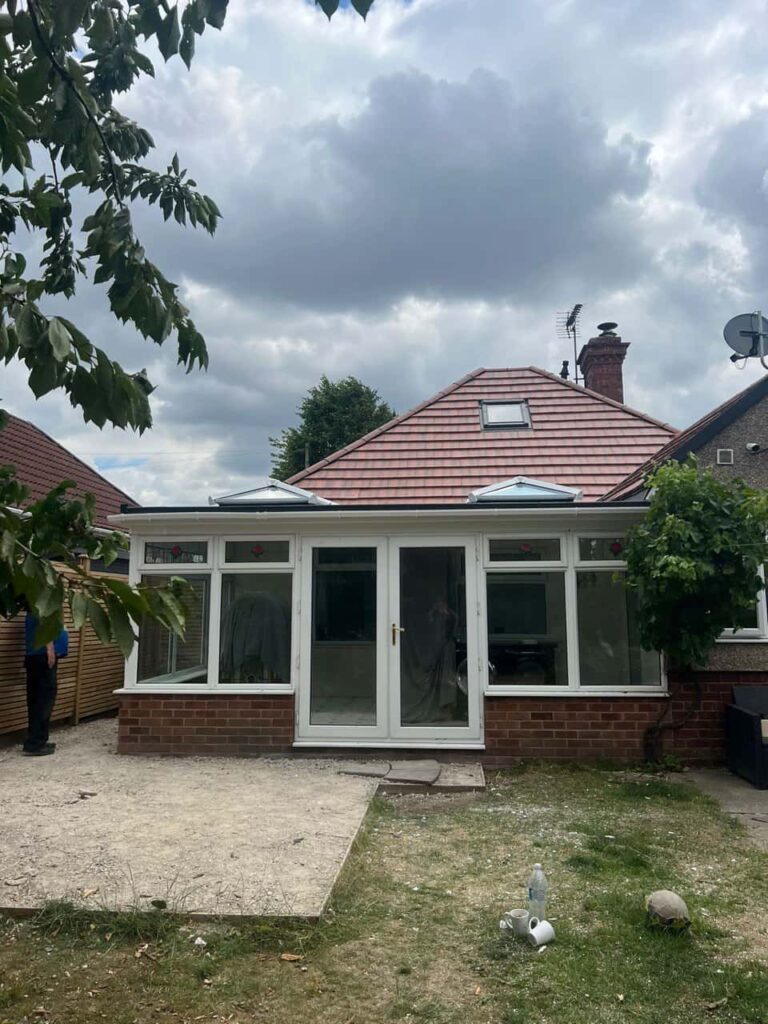
Severe weather can place significant stress on a roof. Strong winds, heavy rainfall and sudden temperature changes all test the durability of roofing materials and structural components. While a well-installed roof is designed to withstand these conditions, certain areas are naturally more vulnerable during storms.
For homeowners in Edenbridge, Kent, understanding which parts of the roof are most at risk can help identify potential problems early and prevent long-term damage. At Edenbridge Roofing Repairs, we regularly inspect storm-affected roofs and often find that damage begins in a few key locations.
Ridge Tiles
Ridge tiles sit along the highest point of the roof and are fully exposed to wind from all directions. During storms, strong gusts can place pressure on ridge lines, particularly if the mortar holding the tiles in place has weakened over time.
When ridge tiles become loose, they may shift or detach entirely, leaving the roof vulnerable to water ingress. Cracked or deteriorating mortar around ridge tiles is often one of the earliest indicators that storm damage may occur.
Roof Edges and Verge Areas
The edges of the roof are another area where storm forces are concentrated. Wind travelling across the roof surface tends to lift at the edges first, making verge tiles more susceptible to displacement.
If verge tiles or edge details are not securely fixed, they can loosen or move during severe weather. Once this happens, surrounding tiles may also become unstable, increasing the risk of further damage.
Flashing Around Chimneys and Junctions
Lead flashing is used to seal vulnerable junctions where the roof meets vertical structures such as chimneys or walls. These areas experience constant movement due to temperature changes and weather exposure.
During a storm, wind-driven rain can exploit even small weaknesses in flashing. If flashing has lifted, cracked or deteriorated, water can penetrate beneath the roof covering and enter the property.
Valleys
Roof valleys are designed to channel rainwater safely down the roof and into the drainage system. Because valleys collect large volumes of water during heavy rainfall, they are particularly susceptible to blockages or wear.
Debris, moss or damaged valley lining can restrict water flow, causing water to pool or overflow under surrounding tiles. In severe weather conditions, this can lead to leaks developing quickly.
Individual Tiles and Slates
Tiles and slates are designed to overlap and form a protective barrier against the elements. However, high winds can lift or displace individual pieces, particularly if they have already weakened with age.
Once one tile becomes loose, neighbouring tiles may also become vulnerable. In Edenbridge, Kent, this type of damage is often noticed after storms when tiles are found displaced or broken on the ground.
Guttering and Drainage Systems
Although technically not part of the roof covering, guttering plays a crucial role in directing water away from the roof. During storms, gutters may become overwhelmed by heavy rainfall or blocked by debris.
If water cannot drain properly, it may back up beneath roof edges or into fascia areas, leading to damp and structural deterioration over time.
The Importance of Post-Storm Inspections
Storm damage is not always immediately visible from the ground. Small issues such as lifted flashing or loosened tiles can develop into significant leaks if left untreated.
After severe weather in Edenbridge, Kent, arranging a professional roof inspection allows potential damage to be identified early. Addressing problems promptly helps maintain the structural integrity of the roof and prevents further deterioration.
Conclusion
Certain areas of a roof are naturally more exposed to storm conditions. Ridge tiles, roof edges, flashing, valleys, individual tiles and drainage systems all play critical roles in protecting your property but can become vulnerable during extreme weather.
For homeowners in Edenbridge, Kent, recognising these high-risk areas and arranging timely inspections is the best way to prevent storm damage from escalating. Edenbridge Roofing Repairs provides experienced assessments and reliable repairs designed to keep your roof secure and performing effectively throughout the year.
Call us on: 01732 443 294
Click here to find out more about Edenbridge Roofing Repairs
Click here to complete our contact form and see how we can help with your roofing needs.